
Should You Repair or Replace? How to Know When Your Water Heater Has Reached the End of the Line
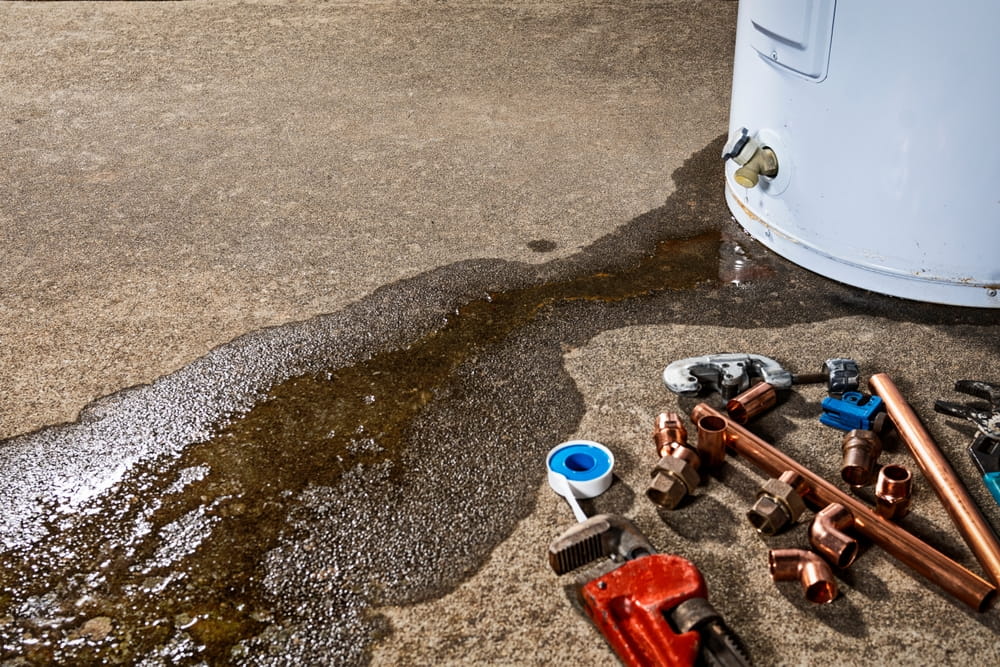
Water heaters operate continuously in the background, providing hot water for showers, laundry, and dishwashing every day. Over time, internal components wear down from heat, pressure, and mineral exposure. Homeowners often notice warning signs such as popping sounds from the tank, rusty water at the tap, or sudden drops in water temperature. Ignoring these subtle signals can lead to unexpected tank failures and water damage in surrounding utility spaces. We at Fluid Dynamics Plumbing help property owners evaluate heating equipment and identify when an aging system requires attention.
Understanding when a water heater reaches the end of its useful lifespan helps prevent sudden breakdowns. Small leaks around pipe fittings or temperature valves can indicate severe internal pressure issues. When aging units show persistent physical corrosion or struggle to maintain basic heat demands, installing a new system provides long-term reliability. If your unit shows severe wear or fails to produce consistent heat, booking a professional water heater replacement in Campbell, CA, gives you clear answers and restores proper hot water capacity.
Lifespan Expectations and Aging Systems
According to data from the United States Department of Energy, residential water heaters account for roughly eighteen percent of home energy consumption. Standard storage tank units typically operate efficiently for ten to twelve years before key components begin to degrade. As heating units age, internal thermal efficiency drops, requiring more energy to maintain standard water temperatures. Property owners tracking the installation age of their equipment can plan for equipment updates before complete system shutdowns happen.
Storage tanks experience constant expansion and contraction during heating cycles. Thermal stress weakens steel walls and welded seams over years of continuous operation. Water chemistry also plays a role in equipment longevity, as hard water minerals accelerate wear on interior surfaces. Tracking the age of your equipment provides a realistic baseline for evaluating ongoing performance issues.
Routine service helps extend operational life and maintain heating speed. Homeowners who schedule regular water heater maintenance benefit from periodic tank flushing and anode rod inspections. Removing internal sediment reduces strain on heating elements and keeps energy usage stable over time.
Sediment Accumulation and Heating Efficiency
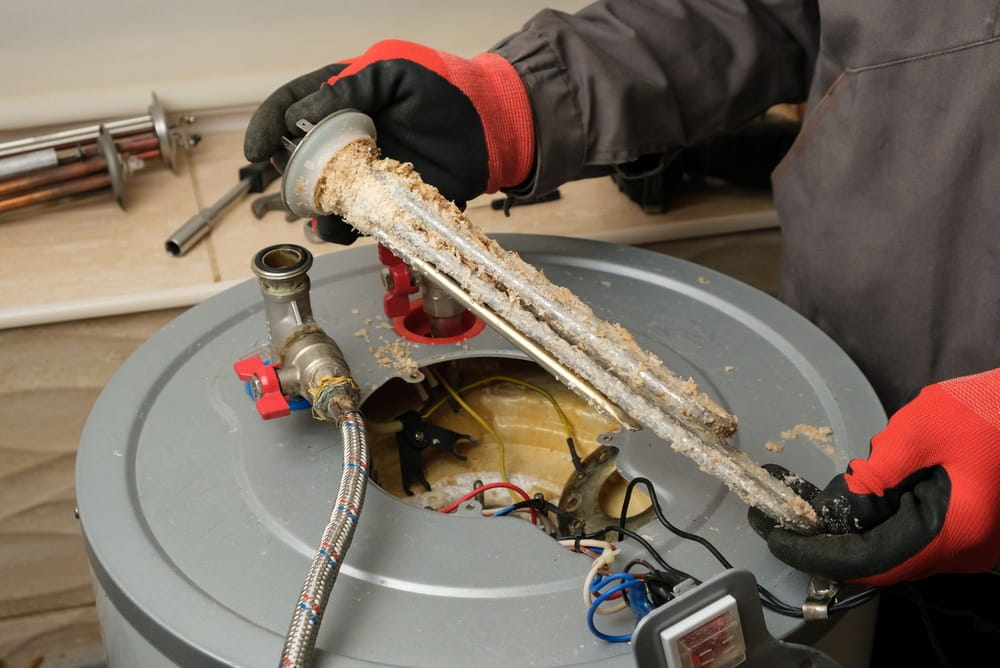
Dissolved minerals in cold water supplies settle at the bottom of heating tanks during regular operation. Over time, these minerals form a thick layer of dense sediment over lower gas burners or electric heating elements. Sediment acts as an insulating barrier, forcing heating units to run longer to warm the water above. This extra heat buildup causes popping or rumbling noises as trapped water bubbles through the dense mineral layer.
Thick sediment layers create hot spots that crack internal protective glass linings. Once glass linings fracture, raw steel walls come into direct contact with water, accelerating internal rust. Plumbers use specialized flushing techniques to clear out loose mineral deposits from tank bottoms. Scheduling comprehensive water heater services allows technicians to test heating elements and clear out harmful mineral build-up.
Physical Corrosion and Tank Failure
Sacrificial anode rods protect steel water heater tanks from interior rust. These magnesium or aluminum rods attract corrosive elements in the water, wearing away over time to shield the surrounding steel. Once an anode rod degrades completely, corrosive elements target the exposed steel tank walls. Inspecting and replacing anode rods periodically prevents premature corrosion inside steel storage tanks.
Rusty or discolored water coming from hot water taps indicates internal metal degradation. When corrosion attacks internal tank walls, small rust particles flake off and enter the hot water distribution lines. Physical rust stains around bottom tank seams or floor drain pans signal advanced metal deterioration. Once a storage tank corrodes through its outer shell, replacing the unit becomes necessary to prevent catastrophic water releases.
Modern Heating Alternatives and Energy Efficiency
Homeowners exploring modern replacement options can choose between standard storage units and on-demand systems. Modern storage tanks feature high-density foam insulation that reduces standby heat loss significantly. Advanced burner designs and electronic ignition systems also improve overall heating efficiency. Selecting high-efficiency appliances lowers utility consumption while supplying steady hot water for busy households.
Continuous flow heating units provide hot water without storing large volumes of heated liquid in a central tank. Installing a tankless water heater allows water to pass through high-power heat exchangers only when a hot water tap opens. These compact systems mount directly on interior or exterior walls, freeing up valuable floor space in utility closets and garages. On-demand technology eliminates standby energy loss completely while supplying continuous hot water.
Proper sizing ensures a new unit meets peak household water demands. Plumbers calculate total gallon requirements based on household size, fixture counts, and incoming cold water temperatures. Professional water heater installation ensures correct gas supply sizing, proper ventilation, and precise electrical connections. Correct physical installation protects equipment warranties and maintains optimal energy efficiency for years.
Safety Hazards and Temperature Valves
Every thermal water heating system relies on safety devices to prevent excessive pressure buildup. Temperature and pressure relief valves open automatically if internal tank conditions exceed safe operating thresholds. Water discharging through the relief valve pipe indicates elevated internal pressure or failing temperature controls. Testing safety valves annually ensures proper mechanical operation during pressure spikes.
Neglecting thermal safety controls increases the risk of structural flooding and tank damage. Water escaping from cracked tank bottoms can soak surrounding subflooring, wall baseboards, and foundation slabs quickly. Uncontained water releases warp wood framing, encourage mold growth, and ruin finished flooring materials. Prompt evaluation of leaking safety valves or damp floor pans protects utility rooms from severe water exposure.
Frequently Asked Questions
Q: How long does a standard storage tank water heater last?
Standard storage tank water heaters generally last between ten and twelve years depending on local water quality and routine care.
Q: What causes loud popping sounds coming from a water heater?
Loud popping noises occur when dissolved minerals form a hard layer of sediment at the bottom of the heating tank, trapping boiling water underneath.
Q: What is the purpose of a sacrificial anode rod?
A sacrificial anode rod attracts corrosive elements in the water to prevent rust from attacking the steel tank walls.
Q: How do I know if my water heater tank is leaking?
Water pooling around the base of the tank, damp insulation near bottom access panels, or continuous discharge from the safety valve all point to a leaking tank.
Fluid Dynamics Plumbing brings over twenty years of trade experience to every job, delivering reliable residential and commercial plumbing care. As a family-owned business, our licensed, bonded, and insured team handles everything from routine maintenance to emergency response with 24/7 availability. We offer same-day solutions, fair upfront pricing, and flexible payment terms, alongside financing options, clear warranties, maintenance programs, and assistance with insurance claims.