
Invisible Threats: How High-Tech Leak Detection Protects Your Home from Stealthy Water Damage
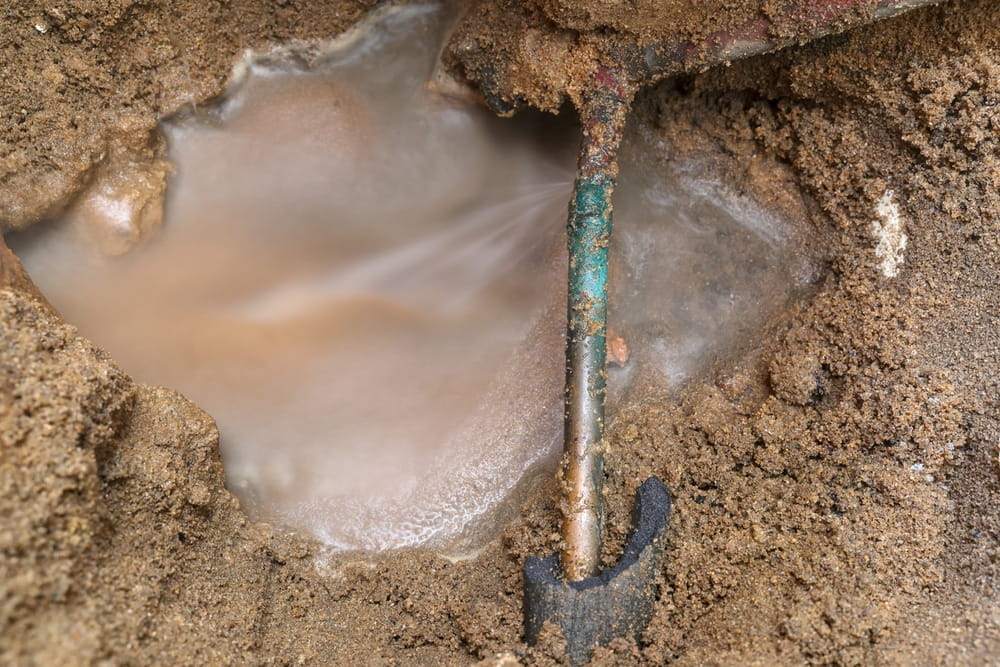
Water damage rarely announces itself with a sudden flood or a bursting pipe. Most structural decay begins behind finished drywall, under hardwood planks, or deep beneath concrete foundation slabs. Tiny pinhole breaches release a steady trickle over weeks or months, creating damp environments where wood rot and mold thrive undetected. Homeowners often notice the warning signs only after building materials absorb gallons of moisture. Catching these hidden defects early requires specialized equipment designed to pinpoint moisture sources without tearing apart walls or ripping up flooring.
We at Fluid Dynamics Plumbing help property owners identify these hidden issues before moisture ruins structural framing. If you suspect hidden moisture inside your walls or under your foundation, professional leak detection in Campbell, CA, gives you precise answers quickly.
Understanding Hidden Moisture in Homes
Data from the Environmental Protection Agency shows that household leaks waste nearly one trillion gallons of water nationwide every year. Average household leaks account for nearly 10,000 gallons of wasted water annually, which is enough to wash nearly 300 loads of laundry. Many of these losses stem from hidden plumbing failures that go unnoticed during daily routines. Finding these hidden defects early prevents thousands of gallons of clean water from soaking into subflooring and framing.
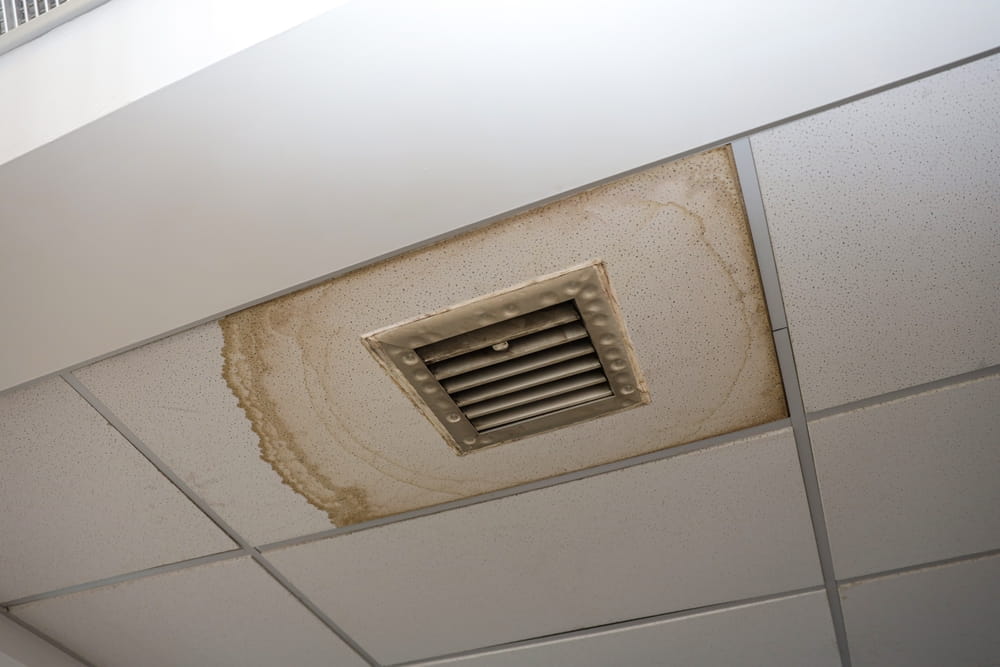
Plumbing lines run through hidden cavities throughout a house. Modern construction routes supply pipes through wood studs, behind insulated exterior walls, and beneath concrete floor slabs. When small cracks form in these buried lines, escaping water travels along the path of least resistance. Water often travels along support beams or copper pipes, dripping far away from the actual point of failure. Visual inspections fail in these scenarios because the visible water stain on a ceiling rarely aligns with the damaged pipe above it.
Advanced Non-Destructive Diagnostic Equipment
Modern diagnostic technology changes how plumbers identify hidden plumbing problems. Advanced diagnostic devices listen to, image, and scan plumbing systems without invasive demolition. Technicians locate subtle pipe damage using acoustic sensors, thermal imaging cameras, and tracer gas equipment. This non-invasive approach saves time while preserving structural finishes like custom tile, hardwood floors, and fresh drywall. Utilizing non-invasive leak detection services helps locate pipe breaks without disrupting daily routines inside the house.
Acoustic location equipment forms the backbone of non-destructive diagnostic work. Escaping water generates distinct sound frequencies as pressurized liquid exits a small crack or hole. Ground microphones and acoustic sensors amplify these faint sound waves through specialized headphones. Technicians move acoustic discs across floor surfaces to locate the exact point where sound frequencies peak. This process allows teams to locate pipe damage under inches of solid concrete.
Thermal imaging cameras offer another layer of non-invasive diagnostic power. These cameras detect subtle temperature differences on wall, ceiling, and floor surfaces. Water leaking from a hot supply line creates a distinct warm plume on the camera screen. Leaks from cold water lines draw heat away from building materials, showing up as dark blue or purple cool spots. Infrared technology displays real-time heat maps that expose hidden moisture paths behind solid building materials.
Protecting Structural Integrity and Wall Cavities
Proactive water leak detection stops moisture from ruining building materials and finish work. Drywall loses structural integrity when exposed to continuous moisture, sagging under its own weight. Plywood subflooring warps and delaminates, creating squeaks and uneven walking surfaces. Structural wood framing supports fungal growth when moisture content levels rise above twenty percent. Identifying hidden water intrusion early preserves original building components and stops wood rot from spreading.
Pressure testing helps confirm whether a plumbing system maintains complete integrity. Plumbers attach sensitive pressure gauges to main water lines and isolate specific plumbing zones. A steady drop in pressure indicates liquid escaping somewhere within that closed loop. Technicians isolate hot lines, cold lines, and irrigation feeds to narrow down the search area. System pressure tests provide fast, definitive proof of hidden plumbing breaches.
Identifying Subsurface Breaks and Usage Spikes
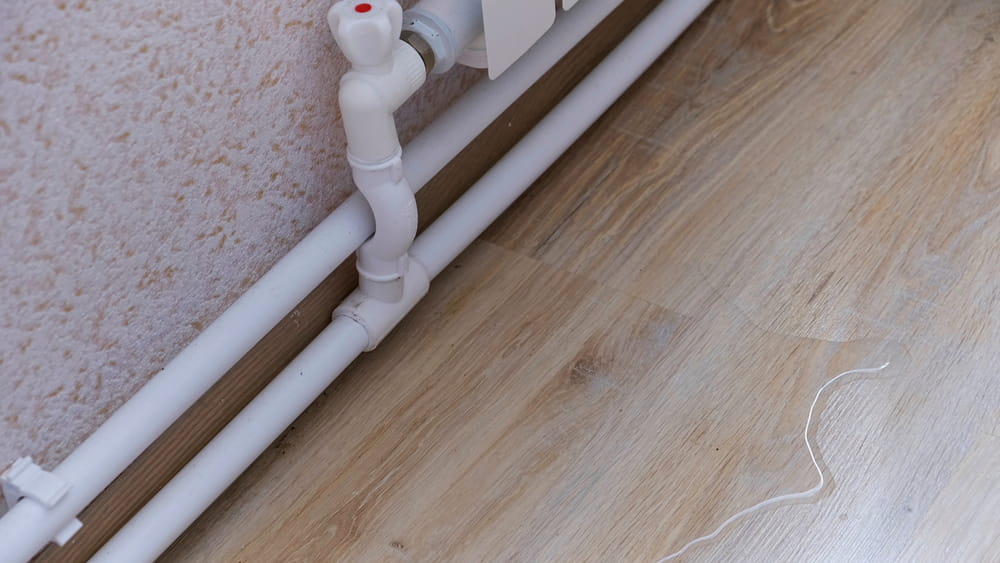
Subterranean supply lines present unique diagnostic challenges for property owners. Main water service pipes run underground from municipal meters to house foundations. Soil movement, pipe corrosion, and tree root intrusion damage these buried utility lines over time. Professional underground leak detection pinpoints subsurface line failures without digging exploratory trenches across landscaped yards. Plumbers send electronic transmitters through the pipe or use ground-penetrating acoustic sensors to find the damage location accurately.
High water bills often serve as the first sign of hidden plumbing problems. A sharp, unexplained increase in monthly water usage usually points to a continuous leak in supply lines or fixtures. Reading the water meter provides immediate confirmation of liquid movement. Turning off every fixture inside the house stops meter dials from moving. If the meter sweep indicator continues to spin while all valves remain closed, water flows freely through an uncontained breach.
Preventing Mold Spores and Health Risks
Concealed moisture creates optimal conditions for toxic mold spores to multiply rapidly. The Centers for Disease Control and Prevention notes that mold spores germinate on wet surfaces within twenty-four to forty-eight hours of exposure. Spores feed on organic materials like drywall paper, wood backing, and carpet padding. Unchecked mold growth reduces indoor air quality, causing respiratory discomfort for house occupants. Rapid discovery of hidden moisture prevents widespread fungal contamination.
Professional water leak services pinpoint moisture intrusion sources with minimal disruption to your home. Expert technicians combine acoustic listening devices, thermal imaging, and pressure testing to map out pipe networks accurately. This systematic approach eliminates guesswork and prevents unnecessary wall openings during diagnostic work. Property owners receive clear, actionable findings showing exact leak locations before any repair work begins.
Fixture Wear and Targeted Pipe Restoration
Plumbing fixtures and hidden pipe joints deteriorate naturally due to mechanical wear and water chemistry. Hard water minerals accumulate inside metal pipes, eroding interior walls over years of continuous use. Water hammer events cause pressure spikes that loosen threaded joints and stress solder connections. Annual plumbing checkups help identify weakening pipe sections before high pressure forces small cracks open.
When diagnostic equipment pinpoints the exact breach location, targeted repairs begin immediately. Technicians open a minimal access hole directly over the damaged section of pipe. Precision leak repair methods include replacing damaged fittings, installing pipe sleeves, or rerouting compromised pipe runs. Minimizing opening sizes reduces total restoration work and preserves surrounding finishes.
Long-Lasting Pipe Materials and System Care
Plumbing systems require high-quality materials to handle daily water pressure demands. Technicians use commercial-grade copper fittings, durable PEX tubing, and brass valves to restore system integrity. Proper installation techniques prevent stress points that cause premature pipe failure. Selecting durable piping materials protects plumbing lines against aggressive soil chemistry and water pressure fluctuations.
Comprehensive water leak repair restores full operating pressure while stopping hidden structural damage. Plumbers isolate the damaged section, drain local water lines, and clean the working area thoroughly. Technicians solder new copper joints or crimp flexible PEX fittings securely into place. Rebuilding compromised pipe sections eliminates stress points and prevents future failures along that line.
Outside Environmental Hazards and Qualified Plumbing Experts
Exterior plumbing lines face environmental hazards that interior pipes rarely encounter. Tree roots naturally seek out moisture, entering tiny stress fractures in underground drain and supply lines. Expanding roots widen small cracks, blocking water flow and causing severe pipe damage. Soil shifting from heavy rainfall or earthquakes puts immense force on rigid underground lines. Modern directional location equipment helps technicians trace outdoor pipe routes without disturbing established gardens or concrete driveways.
Working with a certified leak detection specialist guarantees accurate diagnostic results and clean repairs. Trained technicians understand local building codes, pipe dynamics, and regional soil conditions. Experienced professionals analyze complex plumbing layouts quickly, identifying hidden flaws that untrained eyes miss. Expert analysis prevents unnecessary home demolition and reduces total downtime for your household plumbing system.
Choosing a certified leak detection company provides access to advanced diagnostic technology and experienced field technicians. Dedicated teams carry specialized acoustic gear, video inspection cameras, and digital pressure monitors on every service vehicle. Professional plumbing contractors complete comprehensive system checks, verify line repairs, and test overall water pressure before leaving the job site.
Frequently Asked Questions
Q: How do plumbers find leaks behind solid walls without breaking drywall?
Plumbers use acoustic equipment, thermal cameras, and moisture meters to pinpoint water movement through drywall without making exploratory holes.
Q: What are the main signs of a hidden foundation pipe failure?
Common signs include unexplained spikes in water bills, warm spots on tile floors, damp carpeting, and the sound of running water when fixtures are off.
Q: How long does a standard non-invasive pipe diagnostic take?
Most non-invasive inspections take around one to two hours, depending on house size, pipe accessibility, and system complexity.
Q: Will high water pressure cause pipes to burst inside walls?
Excessive water pressure stresses pipe joints and thin copper walls, eventually opening small cracks that leak hidden water into wall cavities.
Fluid Dynamics Plumbing brings over twenty years of trade experience to every job, delivering reliable residential and commercial plumbing care. As a family-owned business, our licensed, bonded, and insured team handles everything from routine maintenance to emergency response with 24/7 availability. We offer same-day solutions, fair upfront pricing, and flexible payment terms, alongside financing options, clear warranties, maintenance programs, and assistance with insurance claims.
Call our team today to clear up plumbing issues quickly and restore your home system.