
Cold Showers and Strange Noises: The Ultimate Guide to Troubleshooting Water Heater Meltdowns
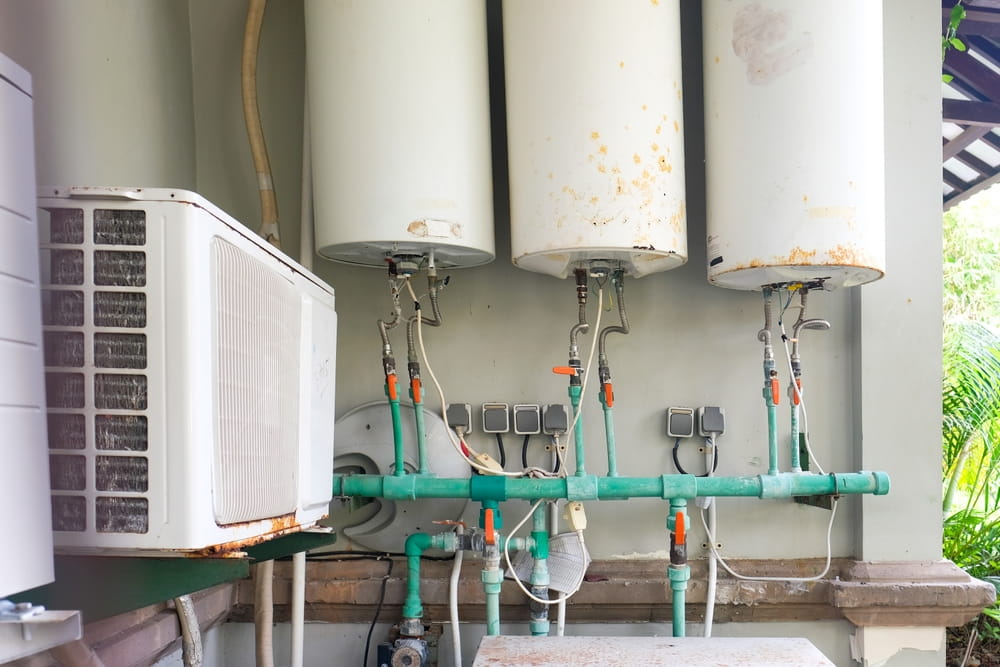
Waking up to an icy shower or hearing loud metallic bangs from the utility closet can derail your morning routine fast. Water heaters operate continuously behind the scenes, supplying reliable hot water for daily cooking, cleaning, and bathing. Because these appliances run quietly in hidden spaces, subtle warning signs often go unnoticed until a system fails completely. Property owners frequently face perplexing symptoms like lukewarm water, strange knocking sounds, or sudden water pooling around the equipment base. We at Fluid Dynamics Plumbing help property owners diagnose these unexpected performance failures before minor mechanical flaws turn into full structural leaks.
Troubleshooting water heater issues requires a systematic approach to identify whether a heating component, safety valve, or tank lining is failing. Ignoring strange noises or inconsistent temperatures can shorten equipment lifespan and increase energy usage. When heating units stop working, identifying the root cause quickly keeps your household running without major disruptions. If your unit leaves you with cold water or makes alarming noises, scheduling expert water heater repair in Campbell, CA, provides accurate diagnostic answers and restores consistent hot water.
Decoding Strange Noises and Tank Sounds
Loud rumbling, popping, or banging noises coming from a water heater point directly to internal sediment accumulation. As cold water enters the tank, dissolved minerals like calcium and magnesium settle at the bottom. Over months of heating cycles, these minerals harden into a dense crust over lower burners or heating elements. Water trapped beneath this mineral layer boils and explodes through the sediment crust, creating distinct popping or cracking sounds during heating cycles.
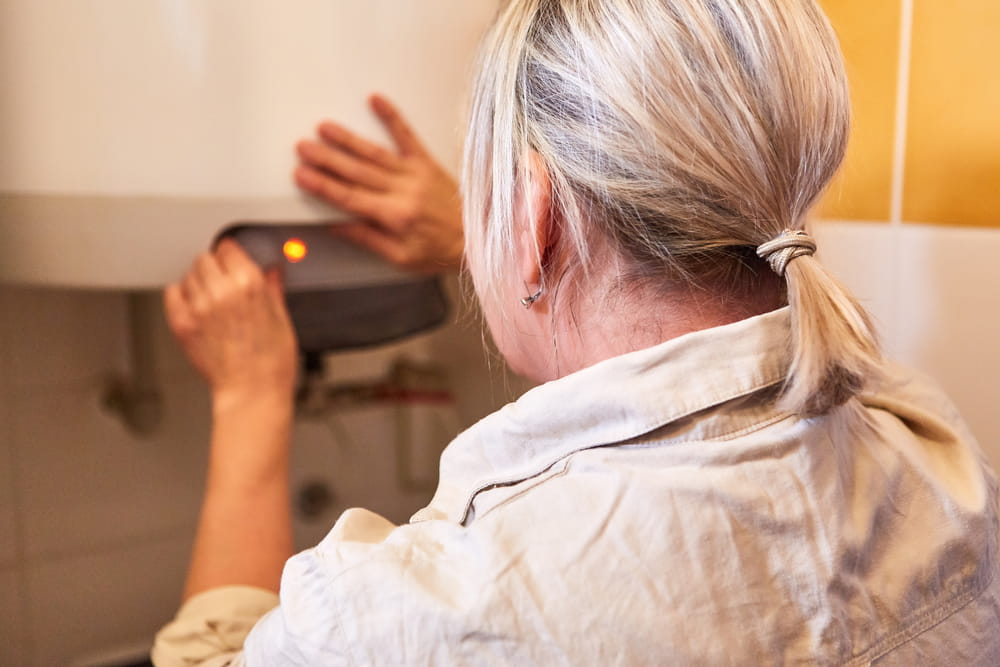
Ignoring persistent tank noises forces the system to work much harder to heat incoming water. The mineral barrier acts as an insulator, trapping heat at the bottom of the tank rather than transferring it to the water column above. This trapped thermal energy overheats the bottom steel plate, causing metal fatigue and cracking the internal protective glass lining. Plumbers perform thorough tank flushes to clear accumulated mineral debris and quiet noisy heating cycles.
Routine servicing removes loose sediment before it hardens into a dense thermal barrier. Homeowners who schedule periodic water heater maintenance help protect internal heating elements from premature failure and thermal stress. Clearing out mineral buildup helps lower monthly energy usage while extending the overall operational life of standard storage units.
Identifying the Causes of Cold Water and Inconsistent Temperatures
A sudden total loss of hot water usually stems from broken heating elements, failed thermocouples, or blown pilot lights. In electric water heaters, upper and lower heating elements work together with dual thermostats to warm the water column. If the upper element fails, cold water passes through the tank without heating up at all. Gas water heaters rely on a small pilot flame and thermocouple to regulate gas flow safely. If the thermocouple degrades, the gas valve closes automatically, shutting off the main burner completely.
Inconsistent temperatures or fast drops in hot water capacity often point to a broken dip tube. The dip tube is a plastic pipe that directs cold incoming water straight to the bottom of the tank for efficient heating. When an aging dip tube cracks or disintegrates, cold incoming water mixes directly with hot water near the top outlet pipe. This structural flaw delivers lukewarm water to household taps long before the tank actually runs out of heated water.
Complex plumbing systems demand comprehensive diagnostic equipment to isolate electrical and mechanical failures safely. Comprehensive water heater services evaluate thermal sensors, gas control valves, heating elements, and dip tubes to find the exact source of heat loss. Skilled technicians test electrical continuity and gas pressure to restore steady hot water delivery.
Addressing Water Leaks and Pressure Valves
Water pooling on the floor around a water heater requires immediate investigation to determine if the leak originates from a fitting or the tank itself. Leaks around top inlet pipes, drain valves, or loose heating element gaskets are straightforward fixes that do not require replacing the entire unit. Plumbers tighten loose connections, replace worn rubber gaskets, or install fresh drain valves to stop exterior water drips quickly.
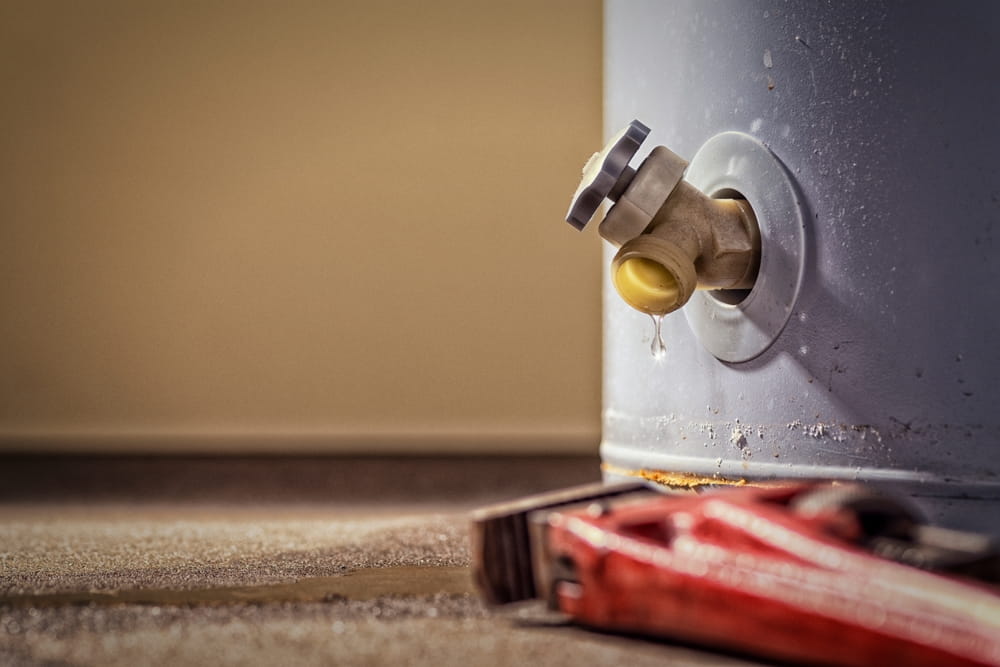
The temperature and pressure relief valve serves as a critical safety feature designed to release excess pressure from inside the tank. If internal water pressure or temperature exceeds safe limits, this valve opens automatically to discharge water through an exterior drain tube. Continuous dripping from the relief valve indicates elevated house water pressure, a failing thermal expansion tank, or a defective valve seat. Testing this safety device regularly ensures proper mechanical operation during sudden pressure spikes.
Leaks originating from the bottom of the steel tank signal permanent structural failures. Once internal corrosion eats through the steel shell beneath the insulation layer, water escapes continuously into floor drain pans. When structural tank walls crack from age and internal corrosion, scheduling a prompt water heater replacement stops active water damage and protects surrounding building materials from rot.
Advanced Diagnostic Strategies and Modern Upgrades
Identifying complex heating failures requires measuring electrical resistance, gas supply pressure, and water flow rates accurately. Plumbers use digital multimeters to test electric heating element resistance and verify thermostat calibration. On gas units, technicians inspect burner flame patterns, clean pilot assemblies, and check vent stacks to ensure combustion gases exhaust safely out of the home. Systematic troubleshooting prevents unnecessary component replacements and pinpoints exact system flaws.
Proper installation standards prevent common installation errors that trigger premature equipment breakdowns. Correct pipe sizing, expansion tank placement, and proper venting are essential for safe, reliable operation. Professional water heater installation ensures that modern gas supply lines, electrical circuits, and safety valves meet strict local building codes and manufacturer specifications.
Homeowners seeking continuous hot water and higher energy efficiency often choose modern on-demand systems. Installing a compact tankless water heater eliminates standby heat loss completely by heating water only when a hot water fixture turns on. These wall-mounted systems use high-power heat exchangers to deliver steady hot water without storing large volumes of liquid in a central steel tank. On-demand technology frees up valuable floor space while lowering monthly energy consumption.
Preventing Thermal Stress and Managing Hard Water
Hard water chemistry poses a continuous threat to plumbing appliances across northern California. High concentrations of dissolved minerals accelerate scale buildup inside storage tanks, valve seats, and heating chambers. Over time, scale accumulation restricts water flow, clogs relief valves, and causes heating elements to burn out prematurely. Installing water softening equipment or inline sediment filters reduces mineral deposits and protects internal plumbing components.
Thermal expansion occurs naturally whenever cold water heats up inside a closed plumbing loop. As water temperature rises, the liquid expands, creating internal pressure spikes that stress copper pipes, solder joints, and tank seams. Installing a properly calibrated thermal expansion tank absorbs this extra pressure, protecting your entire plumbing network from stress-induced leaks.
Frequently Asked Questions
Q: Why is my water heater making a loud popping sound during heating cycles?
Loud popping noises occur when dissolved minerals form a dense sediment layer at the bottom of the tank, trapping boiling water beneath the crust.
Q: What should I do if water is pooling around the base of my water heater?
Turn off the electrical breaker or gas supply line, shut off the main cold water inlet valve, and contact a plumber to inspect for leaks.
Q: How do I know if my water heater dip tube is broken?
A broken dip tube causes hot water to run out very quickly, delivers lukewarm water, or leaves small white plastic bits in your faucet aerators.
Q: Why does my gas water heater pilot light keep going out?
A dirty pilot burner assembly, a worn thermocouple, or drafty ventilation can prevent the pilot flame from staying lit continuously.
Fluid Dynamics Plumbing brings over twenty years of trade experience to every job, delivering reliable residential and commercial plumbing care. As a family-owned business, our licensed, bonded, and insured team handles everything from routine maintenance to emergency response with 24/7 availability. We offer same-day solutions, fair upfront pricing, and flexible payment terms, alongside financing options, clear warranties, maintenance programs, and assistance with insurance claims.
Reach out to our team today to clear up plumbing issues quickly and restore your home system.