
Here Are the Hidden Costs of Installing Your Own Water Heater
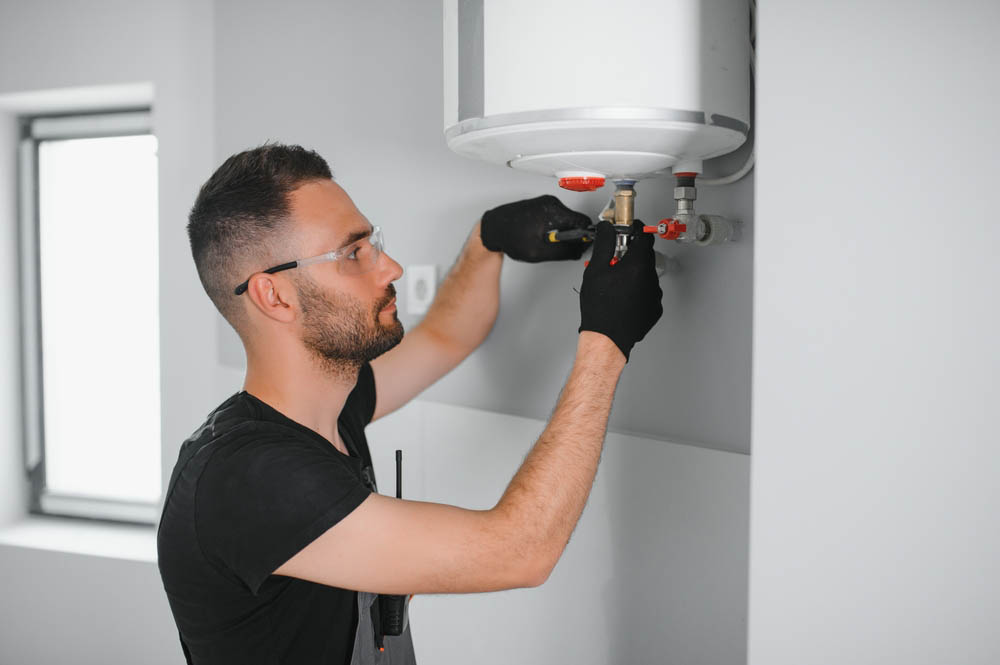
Installing your own water heater can save on labor upfront. But in Campbell, the hidden costs often outweigh those savings.
The biggest risks include failed inspections, code violations, premature system failure from hard water, voided warranties, and water damage from small installation errors. As an expert on water heaters in Campbell, CA, Fluid Dynamics Plumbing has seen the real cost of skimping on installations.
Here, we reveal the hidden costs of installing your water heater through a DIY project.
Permits and Code Compliance
Campbell requires permits for water heater replacement. This isn’t optional.
If you skip it, you risk:
- Fines or failed inspections during resale
- Delays in closing a sale
- Required rework to bring the system up to code
Local codes also require specific safety features like seismic strapping and proper venting. These aren’t minor details. They’re enforced because earthquakes and gas safety are real concerns in the area.
Hard Water Damage Starts Immediately
Campbell’s water supply contains high mineral content. That affects new installations right away.
If the system isn’t set up by water heater services correctly, sediment builds faster. That leads to:
- Reduced efficiency
- Overheating inside the tank
- Shortened lifespan
A professional will often recommend flushing schedules or water treatment options. That step is usually skipped in DIY installs.
Warranty Risks
Most manufacturers require professional installation to keep the warranty valid.
If you install the unit yourself and something fails, you may be paying out of pocket. Even if the issue is unrelated, manufacturers can deny coverage based on installation records.
That “savings” disappears fast when a major component fails early.
Venting and Gas Line Errors
This is where mistakes get expensive and dangerous.
Improper venting can lead to carbon monoxide issues. Incorrect gas connections can cause leaks or inefficient combustion.
These aren’t areas where trial and error works. They require precision and testing equipment that most homeowners don’t have on hand.
Water Damage From Minor Mistakes
Not all installation errors are obvious. A slightly loose connection or improper pressure relief setup can cause slow leaks. You might not notice until:
- Flooring starts to warp
- Drywall shows signs of moisture
- Mold begins to form
By then, the cost of water heater repair is far higher than the original installation savings.
What You Should Take From This
You’re not just installing a water heater. You’re connecting a system that involves gas, water pressure, venting, and structural safety.
In Campbell, those systems are held to stricter standards for a reason. Earthquake risk, local codes, and water quality all play a role.
If you’re weighing DIY vs. professional installation, look beyond the initial price. Factor in compliance, performance, and long-term reliability.
FAQs
Do I need a permit to install a water heater in Campbell?
Yes. Permits are required, and installations must meet local building and safety codes.
Can I void my water heater warranty by installing it myself?
In many cases, yes. Manufacturers often require licensed installation for warranty validity.
How does hard water affect a new water heater?
Minerals settle inside the tank, reducing efficiency and increasing wear if not managed properly.
What is the biggest risk in DIY installation?
Improper gas, venting, or pressure connections. These can lead to safety hazards and costly damage.
Is professional installation worth the cost?
For most homeowners, yes. It reduces risk, keeps you compliant, and helps the system last longer.
You can install your own water heater. The question is whether it actually saves you money.
In many cases, it doesn’t. Fluid Dynamics Plumbing specializes in installing water heaters in Campbell, CA. We’re here to help you minimize your need for system repairs, failed inspections, or system replacement.
If you want fewer unknowns, bring in a licensed professional. Call now to get a system that meets code, runs efficiently in local conditions, and holds up over time.