
Plumbing Weak Points: Protect The Most Vulnerable Parts Of Your Plumbing System
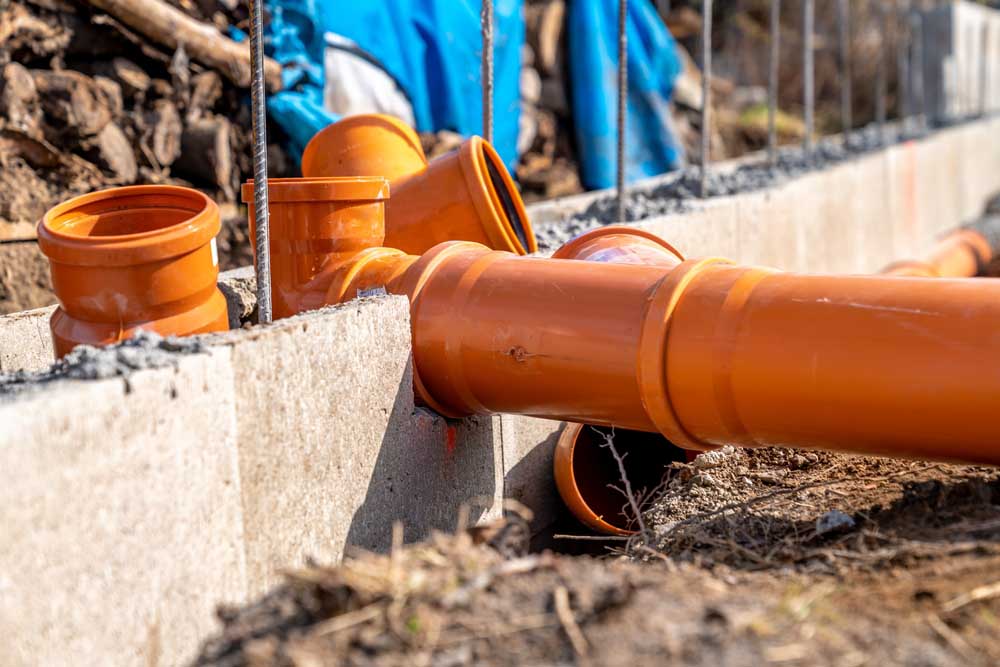
The most vulnerable parts of your plumbing are your water lines, water heater tanks, supply lines, and underground pipes. As San Jose homes sit on clay soil, issues like root intrusion and line corrosion should be expected and addressed as early as possible.
As a local provider of plumbing services in Santa Clara, CA, we at Fluid Dynamics Plumbing often respond to service calls after an issue that could have been avoided escalates. Read on as we highlight the parts of your plumbing that are most likely to fail.
Sewer Lines
Tree roots are aggressive in older San Jose neighborhoods. They find tiny cracks in sewer lines and expand inside residential plumbing. Add soil movement, and you get:
- Recurring clogs
- Slow drains across the home
- Sewer odors
If multiple fixtures act up at once, your sewer line is the first place to look.
Water Heaters
Quiet wear from the inside is expected when sediment buildup is overlooked. As minerals settle, they create a layer at the bottom of the tank. That forces the system to work harder.
Over time, it leads to:
- Reduced efficiency
- Rumbling or popping sounds
- Premature tank failure
If you haven’t flushed your tank in the last year, call plumber services because you’re already behind.
Supply Lines
Pressure and corrosion are a potent combination that wears down supply lines fast. Although supply lines are expected to handle constant pressure, corrosion reduces their capacity to do so.
Pay attention to:
- Drops in water pressure
- Discolored water
- Pinhole leaks
These signal material breakdown, and it’s best to have a plumber on the case before they cause more trouble.
Fixtures and Seals
Not all damage is dramatic. When it comes to fixtures, the problem often manifests through a slow leak
Unfortunately, most may not notice that they have water waste due to a worn toilet flapper or faucet seal until their bill spikes.
Check for:
- Running toilets
- Damp cabinets under sinks
- Mineral crust around fixtures
Underground Pipes
This is where San Jose conditions really show up. Between soil movement and aging materials, underground pipes take a beating. Older homes may still have clay or cast-iron lines.
Cracks don’t always flood your yard. Sometimes they just leak slowly, weakening the system over time.
What You Should Do Next
Fortunately, homeowners don’t need to overhaul their entire plumbing system. Just make sure to focus on the weak points, starting with:
- Annual water heater flushing
- Periodic sewer camera inspections
- Pressure checks on supply lines
- Routine leak checks under sinks and around fixtures
And remember that when something feels off, it usually is.
FAQs
What is the most common plumbing failure in San Jose homes?
Sewer line issues and water heater failures are among the most common, largely due to root intrusion and hard water buildup.
How often should I inspect my plumbing system?
A basic inspection once a year is a practical baseline. Older homes may need more frequent checks.
Does hard water really damage pipes?
Yes. Mineral deposits restrict flow and accelerate wear, especially in water heaters and fixtures.
Are older homes at higher risk?
Yes. Aging materials like galvanized steel and clay pipes are more prone to corrosion and cracking.
Most plumbing failures build slowly in the most vulnerable parts of your system. Be sure to work with plumbing services in Santa Clara, CA, to take control whenever your plumbing needs some TLC.
If you want fewer surprises, hire Fluid Dynamics Plumbing for a proactive approach to plumbing care. Call us today to schedule a full system inspection with our licensed team of experts.